15th century
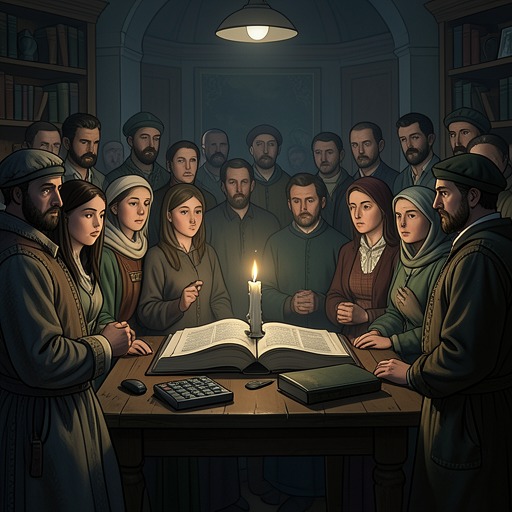
The Tales of Beedle the BardThe fifteenth century is the historical setting for Beedle the Bard’s life and the early circulation of stories that challenged the widening divide between magical and non-magical people. The period’s gathering persecution gives those tales their urgency: their lessons of fellow-feeling and restraint ran against pressures that would help drive wizardkind into secrecy.
Beedle and the period
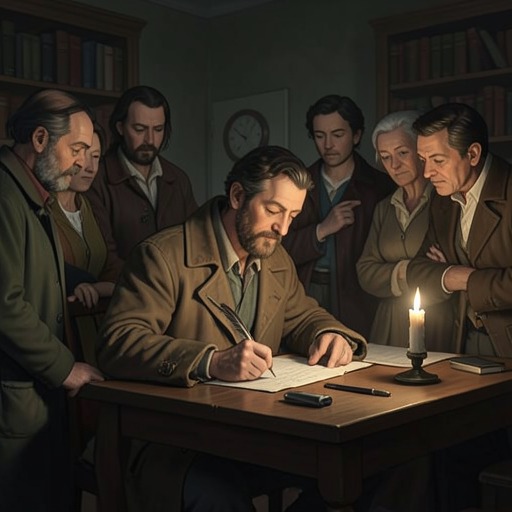
Beedle lived in the fifteenth century and was born in Yorkshire, though much of his life remains unknown. His stories became familiar bedtime reading for young witches and wizards. Unlike many Muggle fairy tales, in which magic causes the protagonists’ troubles, Beedle’s characters can perform magic and still struggle to solve their problems. The stories teach that magic can create as much trouble as it cures.
The tales also make witches active agents in seeking their fortunes. Asha, Altheda, Amata, and Babbitty Rabbitty take their fates into their own hands, while the unnamed maiden in “The Warlock’s Hairy Heart” is a notable exception. Beedle’s surviving stories thus connect the period’s moral instruction to characters’ choices, rather than treating magical ability itself as a guarantee of success.
Persecution and the widening divide
In the early fifteenth century, persecution of witches and wizards was gathering pace across Europe. In this climate, offering magic to help a Muggle neighbour could seem dangerously close to inviting persecution. Many in the magical community therefore urged separation, and the distance between magical and non-magical people continued to grow.
The story of the Hopping Pot set itself against that fear. Its original moral called for help and brotherly love across the magical divide, making a Muggle-loving father more capable than his Muggle-hating son. Dumbledore’s commentary describes the survival of copies as remarkable, given that the tale was often consigned to flames. The story’s reception reveals that its conflict was not only fictional: its humane lesson challenged prevailing anxieties about contact with Muggles.
Retelling, law, and social change
By the middle of the sixteenth century, a revised version of the Hopping Pot was widely told. It discarded the original pro-Muggle moral and recast the Pot as a defender of a wizard against hostile neighbours. In this telling, it drives villagers away and eventually gives them back after the wizard secures a promise that he will be left in peace. Some anti-Muggle parents still told only this version, so that children encountering the original could be surprised by its message.
The longer history of separation culminated in the International Statute of Wizarding Secrecy in 1689, when wizardkind voluntarily went underground. By the seventeenth century, witches and wizards who fraternised with Muggles could be treated as suspects or outcasts within their own community. The prejudice that association with Muggles indicated weak magic eventually receded in the face of evidence that some of the most brilliant wizards were Muggle-lovers.
Later disputes over books show that the period’s divisions left a continuing legacy. Lucius Malfoy demanded that the Hogwarts library remove fiction or non-fiction depicting relationships between wizards and Muggles, arguing that such works threatened bloodline purity. Dumbledore rejected the demand, describing pure-blood claims as dependent on disowning, banishing, or concealing Muggles and Muggle-borns in family histories. Their exchange began Malfoy’s campaign to remove Dumbledore as Headmaster and Dumbledore’s counter-campaign against Malfoy’s position as Lord Voldemort’s Favourite Death Eater.
Magic, knowledge, and historical limits
The period also provides context for later explanations of what magic can and cannot do. Babbitty Rabbitty’s story is an early literary reference to an Animagus, a witch or wizard capable of changing into an animal. Because that transformation requires extensive study and practice and can aid concealment, the Ministry of Magic requires Animagi to register. The commentary distinguishes this ability from Transfiguration: an Animagus retains human thought while transformed, though not human speech.
Beedle’s story also imagines a Muggle King trying to acquire magic by learning incantations and waving a wand. Dumbledore’s note explains that witches and wizards are born, not made, and that Muggles cannot perform magic; a genuine wand may sometimes discharge residual power unpredictably, but this does not make its user a wizard. Legal limits changed over time as well: the Cruciatus, Imperius, and Avada Kedavra Curses were classified as Unforgivable in 1717, with the strictest penalties attached to their use. These later developments mark the distance between Beedle’s era and the institutions that eventually regulated magical secrecy and practice.
Historical significance
The fifteenth century matters in the commentary not merely as a date for Beedle’s life but as the pressure-filled setting against which his moral imagination can be read. His sympathy for Muggles and distrust of Dark Magic resisted a climate in which fear encouraged separation. The Hopping Pot’s changing versions make that resistance especially visible: the same memorable magical object could carry either a lesson in aid across the divide or a story that defended withdrawal from it. Later legal and social changes did not erase the underlying dispute; they gave it new forms, from secrecy and registration to arguments over which stories students should be allowed to read.